
The European Union has allocated an additional 6.6 million euros to the EU CyberNet project to strengthen global cyber capabilities and increase the resilience of Indo-Pacific countries to cyber threats over the next three years.
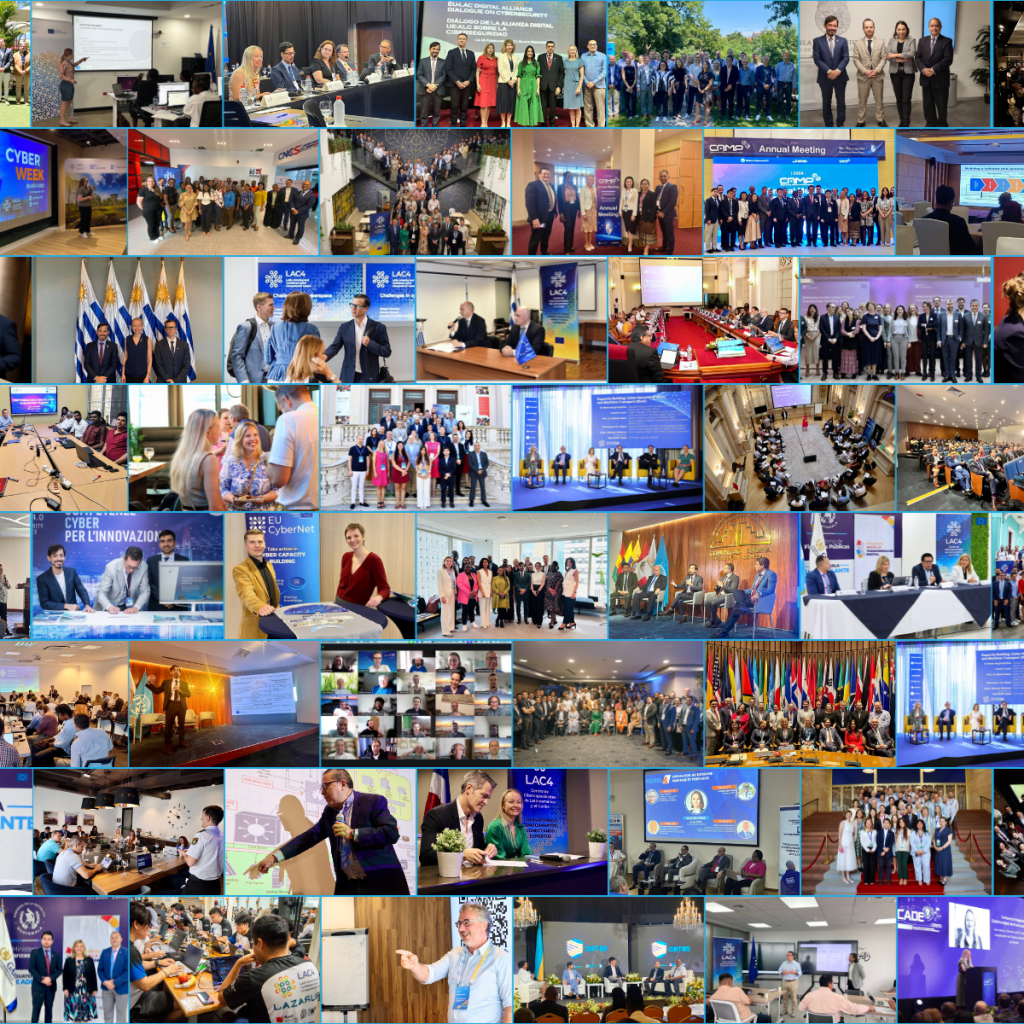
Liina Areng, Director of EU CyberNet, said that the first six years of the project have laid a solid foundation for further work. ‘In the past six years, we have built a network of over 550 experts and 123 partner organisations to support the growth of cyber capabilities in partner countries through trainings, tabletop exercises, and advisory services. We will continue to expand the network and coordinate its activities. In the second phase, we will focus more on Indo-Pacific countries, where we will help to develop cybersecurity strategies, as well as increase crisis preparedness and cyber awareness among the population,’ Areng said.
Gert Auväärt, Director of NCSC-EE, said that as cyberspace is a world without borders and cyber threats affect everyone, it is particularly important for cyber experts from Estonia and elsewhere in Europe to share their experiences, cooperate, and thereby strengthen international security. ‘As the project leader, RIA can share Estonia’s unique experiences in developing a digital state and protecting it against cyber threats. At the same time, we can also learn from others, bringing new knowledge and practices to Estonia. The EU CyberNet project will increase the international visibility of our experts and Estonia, as well as create new cooperation opportunities for our companies and research institutions. As the project leader, we can also participate in discussions that influence global trends and shape the future of cybersecurity,’ added Auväärt.
Maria Rosa Sabatelli, Head of the Service For Foreign Policy Instruments of the European Commission, confirmed that developing cyber capabilities is an important part of the external action of the European Union. ‘With the launch of the second phase of EU CyberNet, we are increasing the capacity of Europe to support partners in addressing common cyber threats and promoting international cooperation and trust. By expanding its activities to the Indo-Pacific region, the European Union is showing its commitment to building open, secure, and resilient digital environments together with like-minded partners around the world,’ Sabatelli said.
Most development cooperation projects of the European Commission are only open to organisations who have undergone pillar-based assessment. In order to gain access to and benefit from European Union funding programmes, RIA underwent a pillar-based assessment process at the beginning of the year, becoming the first and so far only state agency in Estonia to do so, and received a score of 5. ‘This is a huge recognition for RIA and our support services, and shows that we can be trusted with the money of European taxpayers,’ Auväärt confirmed.
Background:
EU CyberNet is a project developed by the Estonian Information System Authority to enhance cybersecurity in the European Union. The project brings together experts and organisations from around the world to strengthen the cyber capabilities of countries and support the development of secure digital societies. Among other things, the first phase saw the launch of a cyber competence centre in the Dominican Republic for Latin America and the Caribbean, which increases cyber cooperation between the local region and the European Union and brings together cyber experts from across the region.
The second phase of the project will last three years (2025–2028). The EU CyberNet project is funded by the European Union and implemented by the Estonian Information System Authority in cooperation with the German Agency for International Cooperation (GIZ).

